


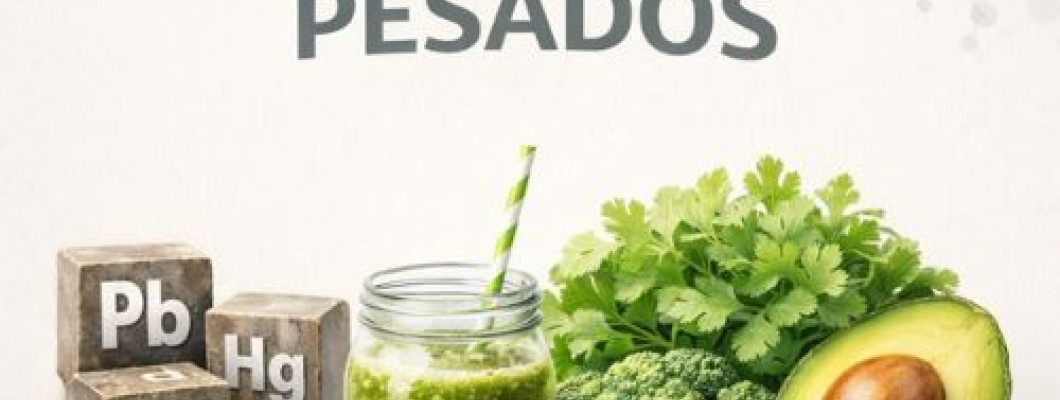
IN SHORT
A heavy-metal "detox"? The reality is more nuanced: the body already removes toxins on its own and food can support that process, but there are no miracle cures. Here's what the evidence says and how to look after yourself without fads. This does not replace medical advice.
Heavy metals: how to lower exposure and which foods support elimination
No panic, no hype: heavy metals can enter your body through everyday routes (food, water, air). Your body can eliminate them—if your daily habits aren’t working against you.
This is not a “miracle detox” post. It’s a practical strategy: less input, better elimination, and nutrients that protect the systems doing the work (liver, gut, kidneys, antioxidants).
Which heavy metals matter (and why)
In health conversations, the most common ones are mercury, lead, cadmium, and arsenic. The concern isn’t their existence—it’s modern exposure and their ability to drive oxidative stress and disrupt normal cellular function.
Common hidden sources
- Large predatory fish (higher mercury): swordfish, certain tuna, shark.
- Rice (arsenic): especially if eaten daily.
- Water: depends on area, pipes, and filtration.
- Tobacco smoke: relevant cadmium source.
- Cocoa: cadmium can vary by soil/origin.
- Seaweed: some types can concentrate metals—avoid overdoing it.
The real lever: support elimination (don’t obsess)
Most elimination happens through:
- Bile + stool (liver → gut)
- Urine (kidneys)
- Sweat (minor, but supportive)
Practical translation: if your bowel movements are slow and your diet is low in fiber, what your body tries to eliminate can be reabsorbed.
Foods that support heavy metal elimination (the sensible way)
1) Fiber: helps “carry it out”
- Psyllium
- Chia and flax
- Legumes
- Oats
- Apples (pectin)
2) Cruciferous vegetables: real liver support
- Broccoli, cauliflower, Brussels sprouts
- Cabbage, arugula, kale
3) Garlic, onion, leeks: sulfur-rich helpers
Garlic, onion, and leeks support key detox pathways and antioxidant defenses.
4) Antioxidants: reduce the oxidative hit
- Berries, citrus, pomegranate
- Green tea
- Turmeric and ginger
5) Fermented foods: stronger gut, less reabsorption
- Sauerkraut, kimchi
- Kefir
- Miso
6) Key minerals: the overlooked piece
- Zinc (pumpkin seeds, legumes)
- Selenium (Brazil nuts: often 1–2/day is enough)
- Iron and calcium (context-dependent)
- Magnesium (greens, legumes, nuts)
How to reduce exposure (without going extreme)
- Rotate grains: don’t live on rice. Use quinoa, buckwheat, millet more often.
- Choose smaller fish more often (sardines, anchovies) and limit large predators.
- For rice: rinse well and cook in extra water, then drain.
- Hydrate: urine is a real elimination route.
A simple 1-day menu to support elimination
Breakfast: Oats with chia, apple, cinnamon, and berries.
Lunch: Big salad (arugula + cabbage) + lentils with onion and garlic + olive oil and lemon.
Snack: Green tea + 1–2 Brazil nuts.
Dinner: Garlic-sautéed broccoli and cauliflower + sardines or eggs + a spoon of sauerkraut/kimchi.
Risk Ignored
Self-prescribed aggressive “chelation” or extreme protocols can backfire by mobilizing metals without proper elimination—especially if your gut is not working well. If you suspect high exposure or persistent symptoms, consult a qualified healthcare professional.
This content is informational and not medical advice.
Frequently asked questions
Can you 'remove' heavy metals through diet?
The body (liver, kidneys) already removes toxins naturally. A varied diet, rich in fibre, fruit and vegetables supports that process, but there are no miracle 'detoxes'. If you have a real exposure, consult a professional.
Which foods support natural detoxification?
Fruit, vegetables, legumes, fibre, enough water and fresh foods. Cutting ultra-processed foods and choosing organic helps limit exposure to residues.
Do organic products have fewer contaminants?
Organic production limits synthetic pesticides and certain additives, which can reduce exposure to some residues, though no food is 100% free of everything.